
Your account
News
A Changing Energy Reality for Alderney
26 May 2026 | News
At the start of this year, the global energy system looked broadly stable. Fuel could be sourced predictably, supply chains were functioning, and while prices moved, the overall system worked. That is no longer the case.
Following the US/Israeli intervention in the Persian Gulf and Iran’s response, the energy environment has changed in a way that is both significant and immediate. This is not simply about oil prices rising, but something more fundamental: the reliability, cost, and risk of getting fuel to where it is needed. For an island like Alderney, that distinction matters.
You may hear that “oil is $90 a barrel”, but it is important to understand that this is a financial benchmark, what might be called a “paper price.” It is not what Alderney pays. Alderney Electricity buys diesel and kerosene delivered to the island and the thin end of a very long supply chain. The real cost includes refining, shipping, insurance, and the global demand pressures. In stable conditions, the headline price gives a reasonable sense of direction; in the current environment, it does not. The difference is now visible in real terms.
Between January and March alone, AEL spent over £1 million on imported fuel, money that left the island immediately. Over the course of a year, the island spends in the region of £3 - 4 million on fossil fuels shipments to generate electricity and provide heating. The underlying price of those fuels has risen sharply, with kerosene increasing by over 80% and diesel by more than 50% in a matter of weeks. Shipping and insurance costs have also increased, alongside interest rates and broader supplier costs.
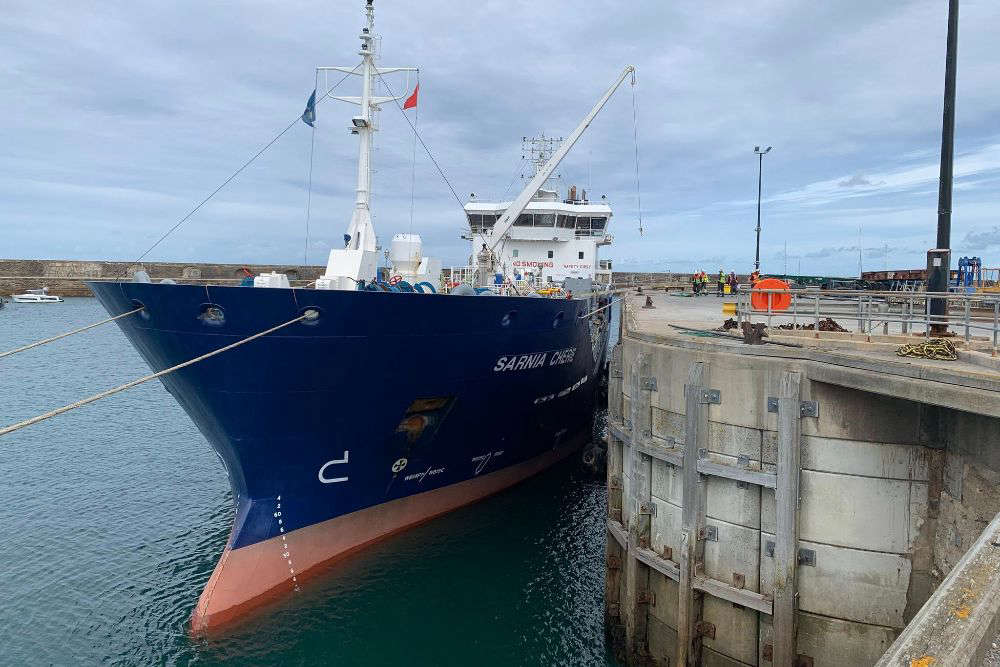
The global energy system has moved from being efficient and predictable to being fragile and volatile. Oil and gas fields and refineries have been damaged, shipping routes disrupted, insurance risks increased, and countries are competing more actively for supply. The result is that the daily cost of energy is no longer driven solely by the price of oil, but by the cost and complexity of delivering it.
For Alderney, this has direct implications. We feel the full effect of these pressures. This is why the conversation about energy on the island needs to evolve fast.
Alongside the changing risk environment sits a practical question: how does the island fund its transition to a more resilient energy system? There are several routes available, including public funding, borrowing, private investment, or a combination. Recent discussions indicate that no public funding will be made available for critical energy infrastructure. That choice does not remove the need for investment, it simply changes how it must be delivered.
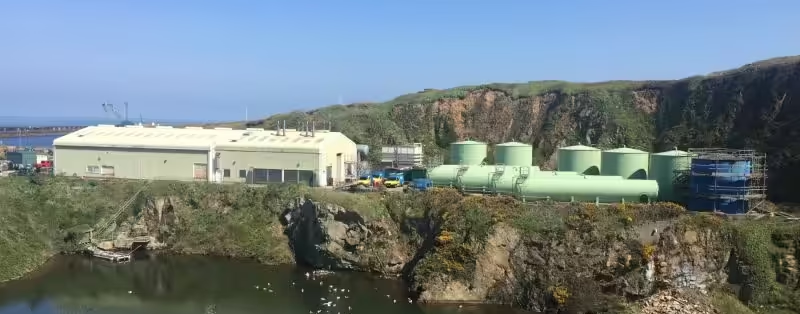
As a rough guide, around £1 million of investment is required to transition approximately 10% of the island’s energy from fossil fuels to renewable sources. Set against the island’s current annual spend, this highlights that local energy is not just an environmental ambition, but a means of reducing long-term exposure to external risks.
The events of recent months are a reminder that global systems can change quickly, and that small, remote communities are often the most exposed when they do.
The question for Alderney is not simply how much will energy cost in the future, but how confidently we can rely on accessing it by traditional means.
Latest information
News, updates and blog
Read the latest service notices, maintenance updates and news from across Alderney Electricity.