
Your account
Services
Energy advice
Practical advice on how your property uses energy and where improvements can be made.
Choosing the right setup for your home
Choosing how to heat your home, produce hot water, charge an electric vehicle or cook with electricity can feel complicated.
There are now more options available than ever before, each with different benefits, costs and installation requirements. The right solution will depend on your property, your lifestyle and how you use energy day to day.
This guide explains some of the most common electric heating, hot water, EV charging and cooking technologies used on Alderney, and how they work in practice.
Before purchasing or arranging the installation of electric heating, EV charging or cooking equipment, please read our requirements for applying for additional power.
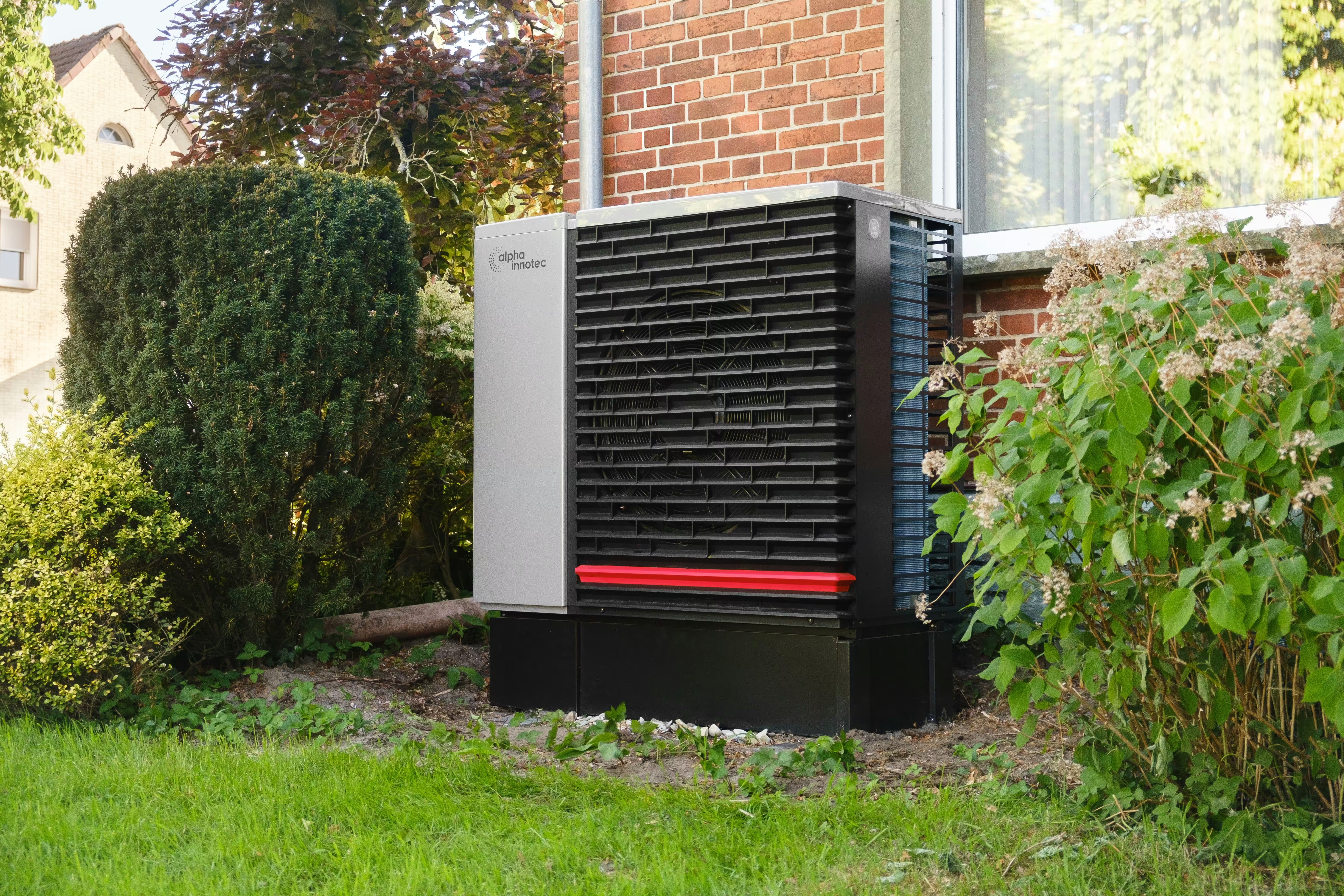
An air source heat pumps
An air source heat pump extracts heat from the outside air and uses it to warm your home and, in many cases, your hot water.
Rather than generating heat directly, it transfers heat from one place to another, making it one of the most efficient forms of electric heating available.
Heat pumps are typically connected to radiators, underfloor heating and hot water cylinders. They are often best suited to properties looking for a whole-home heating solution with lower running costs over the long term.
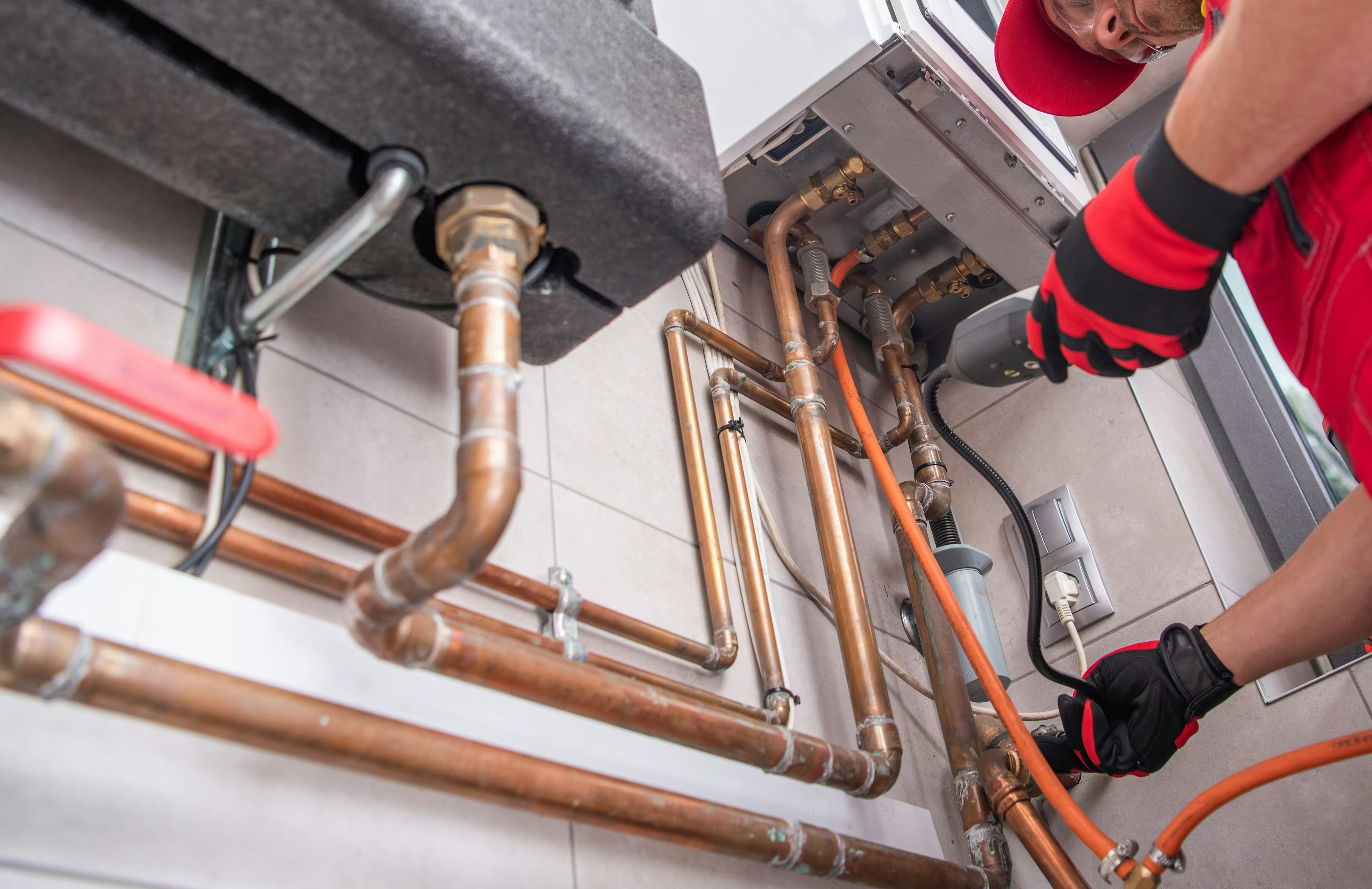
Electric boiler
An electric boiler heats water for a central heating system in much the same way as an oil or gas boiler, but without combustion, a flue or fuel storage.
Because it can often work with existing radiators and pipework, it can be a practical option when replacing an older heating system.
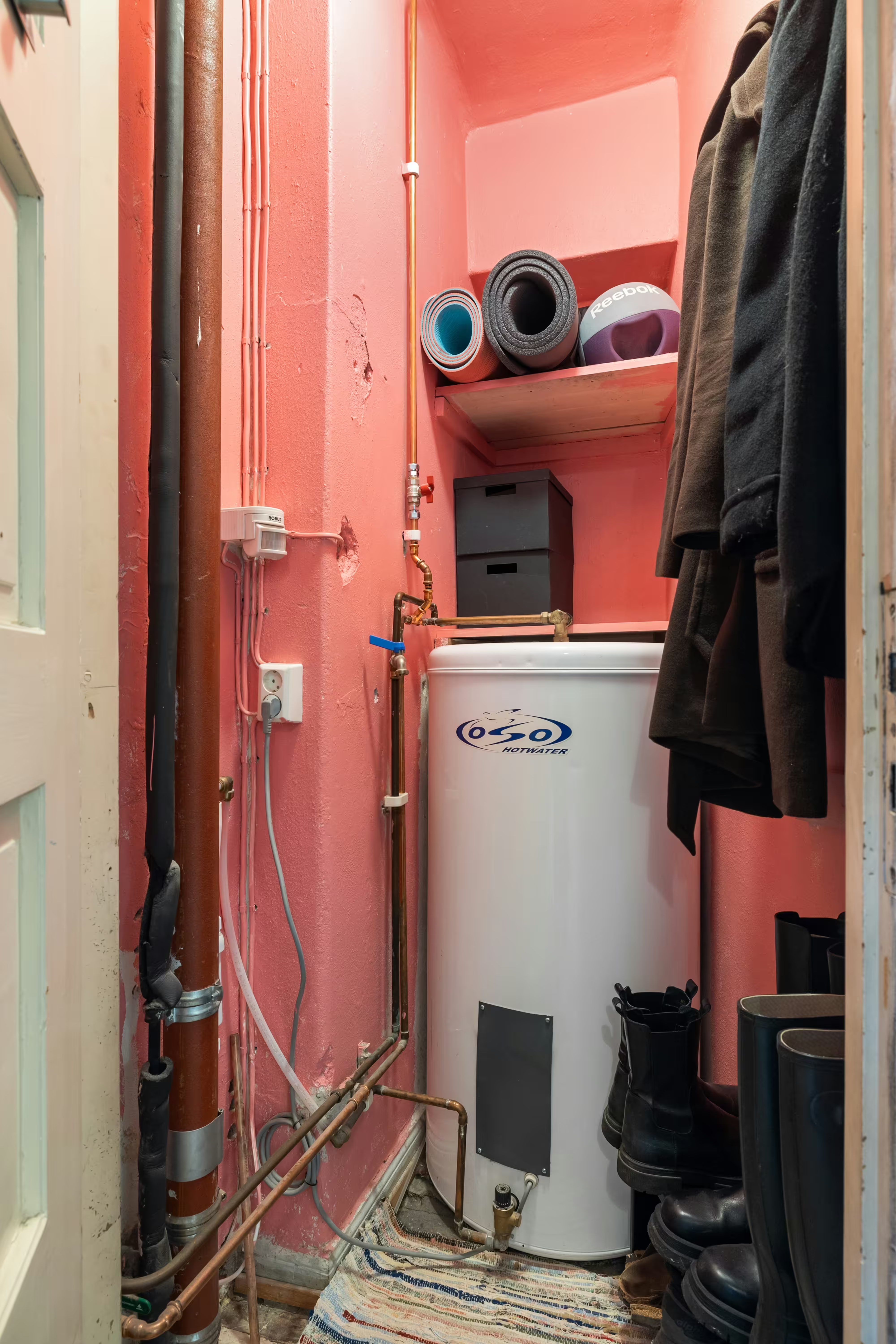
Hot water introduction
Electric hot water systems can either store hot water for later use or heat it on demand.
The most suitable approach will depend on your household's hot water needs, the type of property you live in and whether you already have a hot water cylinder or central heating system.
Electric vehicle charging introduction
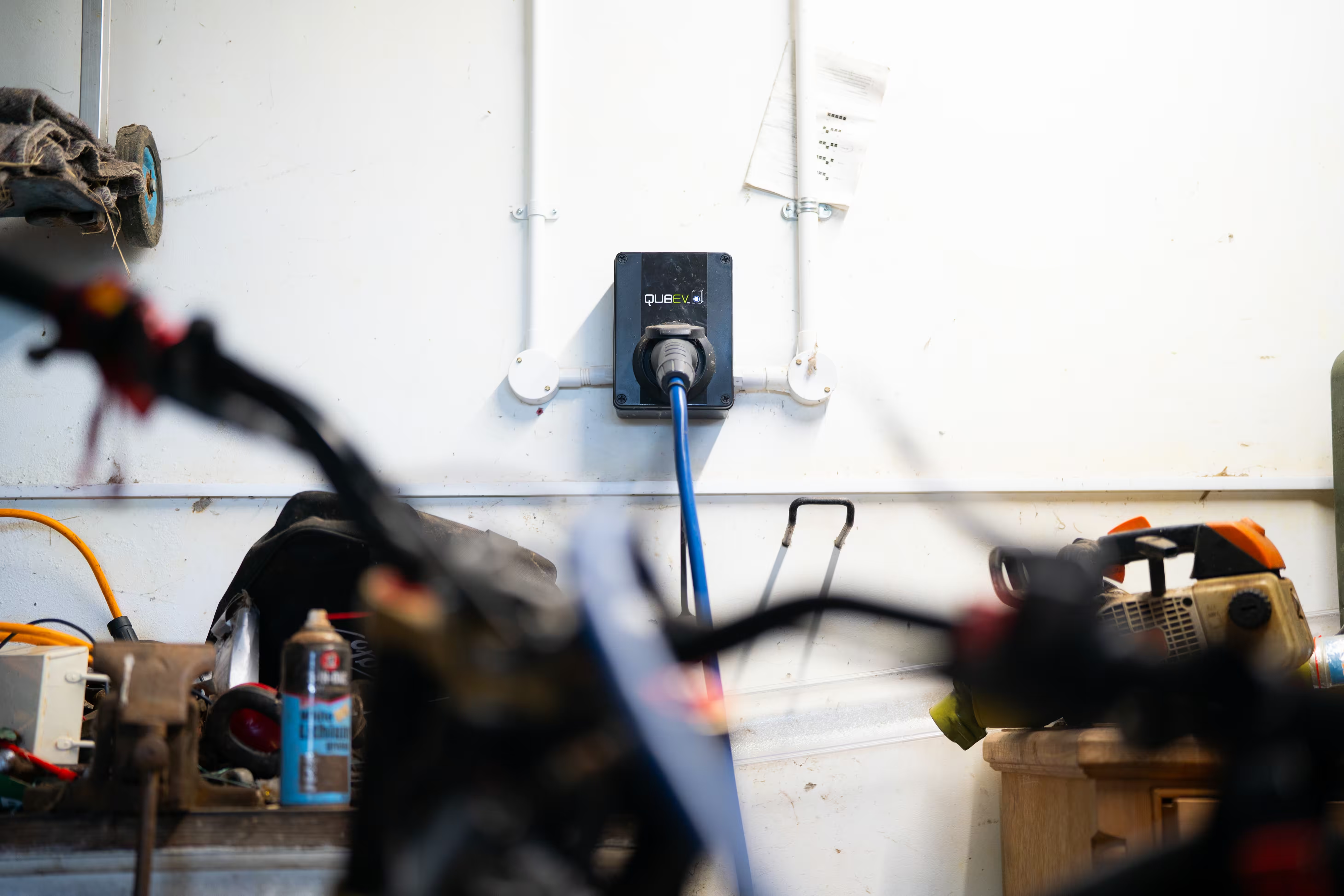
Charging an electric vehicle at home is usually the most convenient and cost-effective option for everyday use.
Most drivers choose either:
- a standard socket for occasional charging
- a dedicated home charger for faster, safer and more convenient charging
For most households, a dedicated charger is the preferred long-term solution.
How home EV charging works
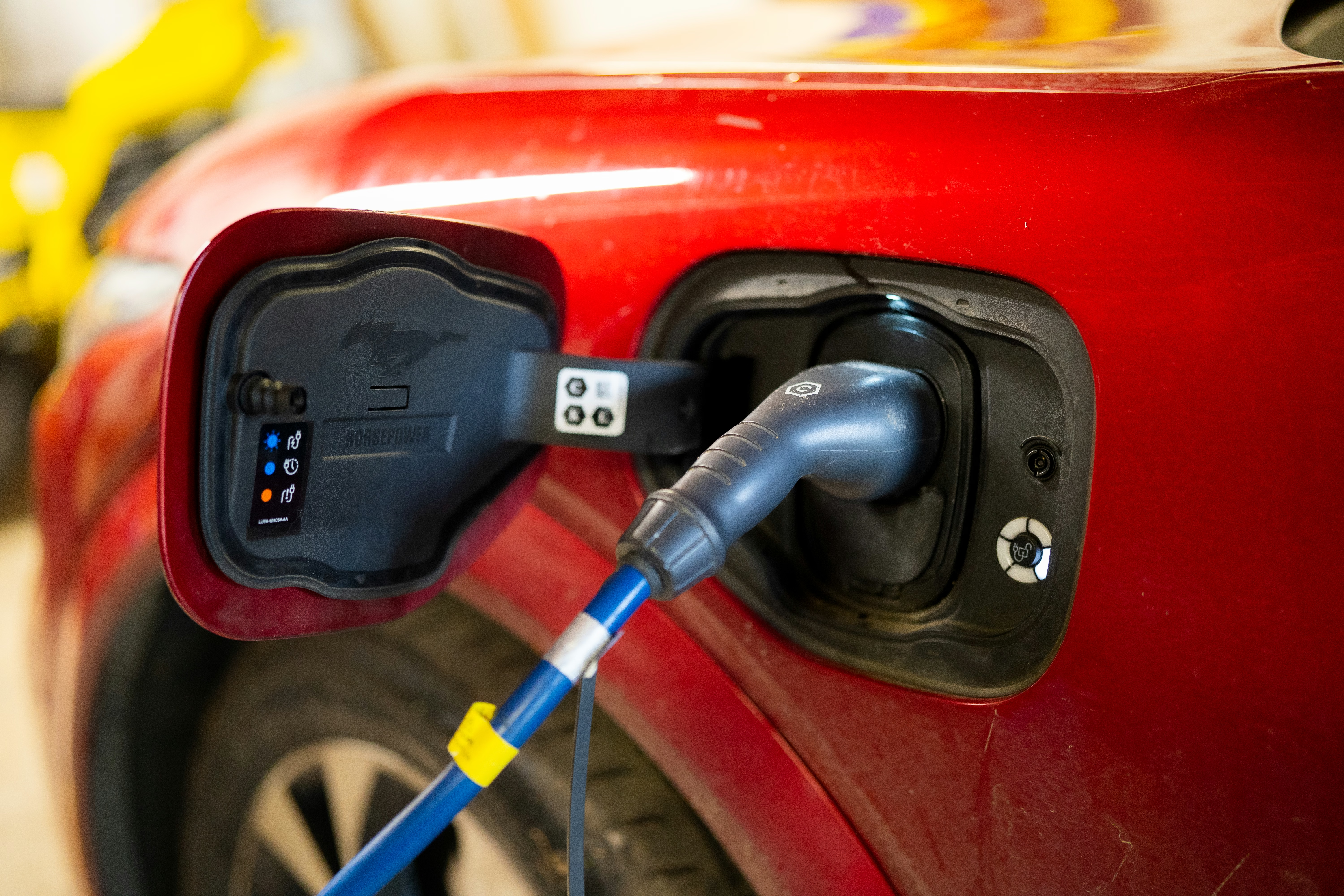
A home charger is usually installed on an external wall or another convenient location close to where the vehicle is parked.
Many modern chargers include smart features that can:
schedule charging automatically
monitor energy use through an app
help manage electricity demand
prepare for future off-peak charging opportunities

Charging overnight
For many households, overnight charging is the simplest approach.
A vehicle can be plugged in when you arrive home and set to charge later. As new tariff options become available in future, this may allow customers to take advantage of lower-cost electricity during certain periods.
The same principle may also apply to some electric heating and hot water systems.
Electric cooking as an alternative to bottled gas
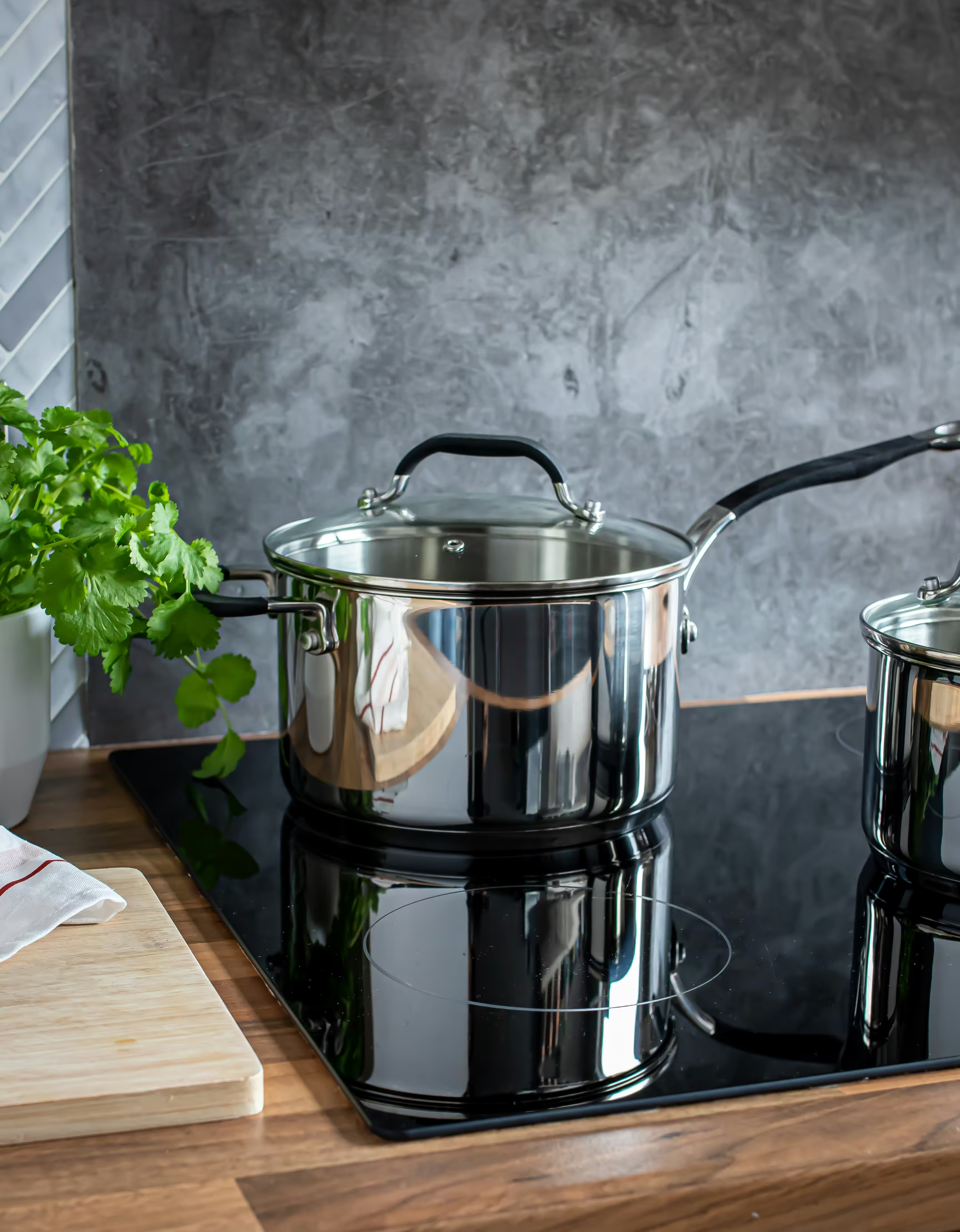
Electric cooking can be a practical alternative to bottled gas for many homes.
Modern ovens, ceramic hobs and induction hobs offer reliable performance without the need for gas bottle deliveries or storage. The best solution will depend on your cooking preferences, kitchen layout and whether you are replacing a single appliance or an entire cooking system.
Choosing what is right for your home
There is no single solution that suits every property.
The most appropriate option will depend on factors such as:
the size and layout of your home
insulation levels
existing heating and hot water systems
when and how you use energy
whether you want to take advantage of off-peak electricity
whether you are upgrading a single room or planning a whole-home solution
Need more?
Applying for a new or upgraded supply
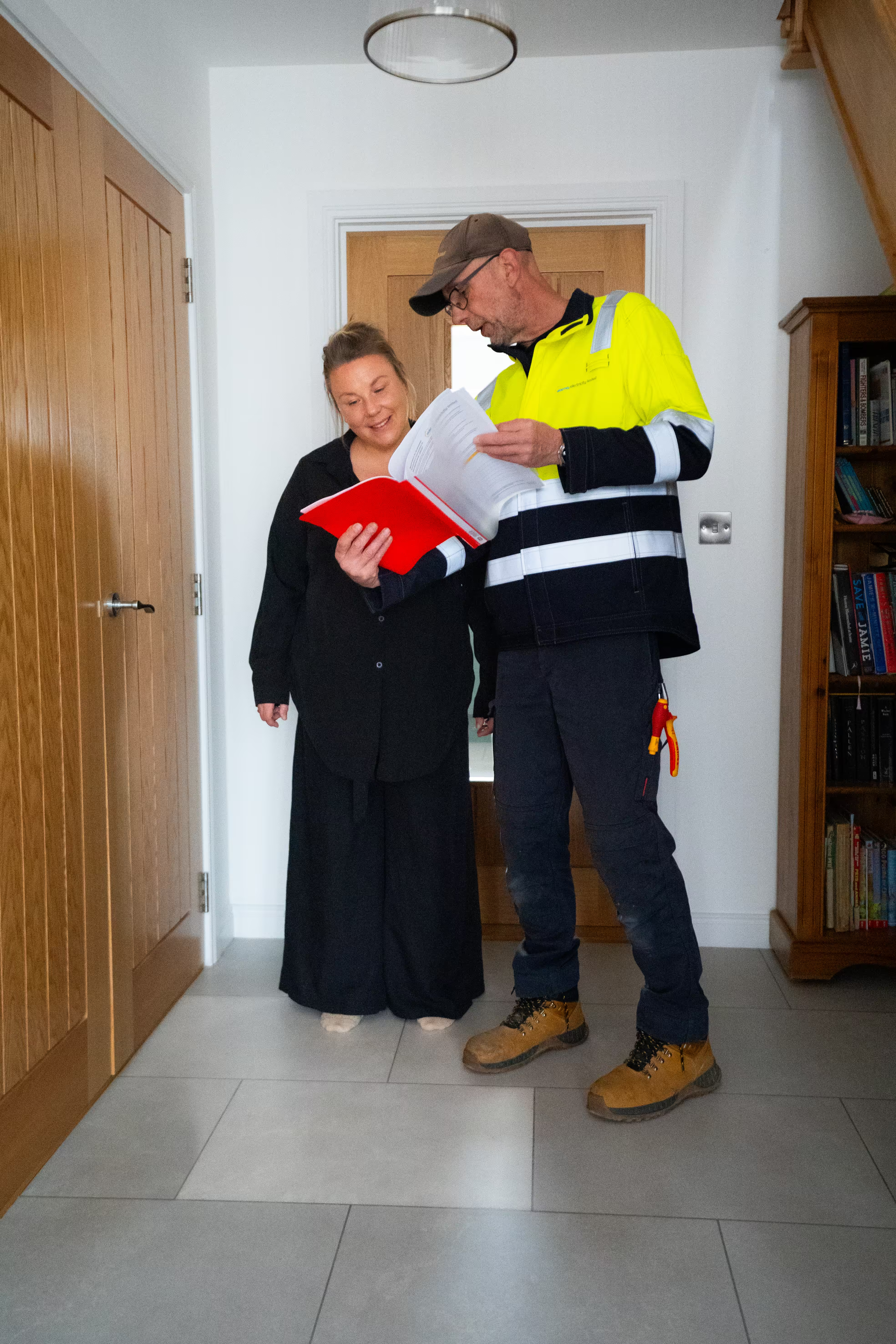
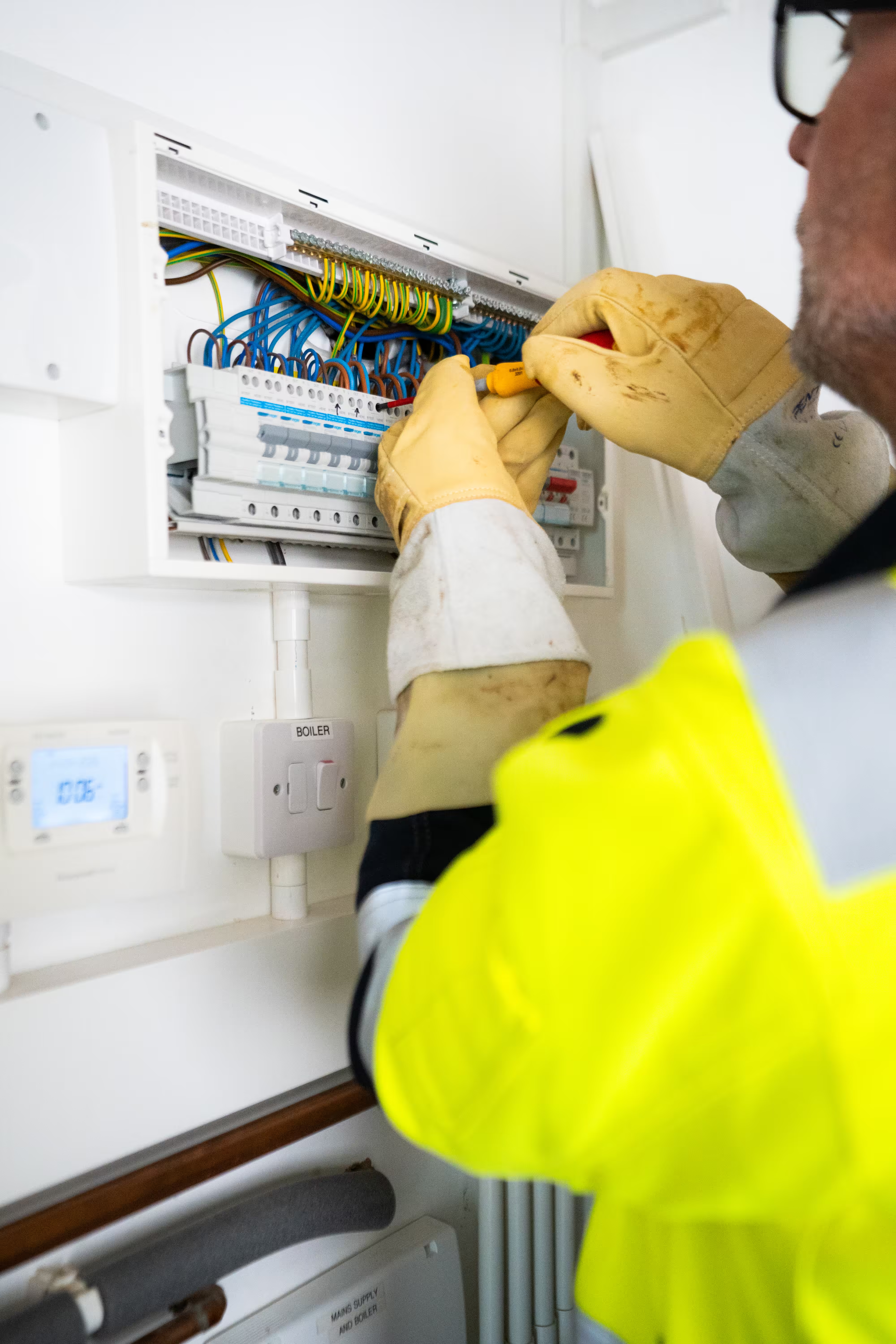
If you are planning to build a new property, extend an existing one, or install high-demand equipment such as an electric cooker, sauna, heat pump or EV charger, contact us before work begins.
The existing supply to your property may not be large enough to support the additional load. AEL will review your requirements, check available capacity and advise whether an upgrade or alteration is needed.
If AEL is not carrying out the electrical installation, your appointed contractor can help you complete the required form. Completed forms can be emailed to electrical@alderney-elec.com, or delivered by post or in person to our office.

Need advice
Let's talk it through
If you're weighing up a heat pump, a new boiler or hot water cylinder, an EV charger, or your heating options more generally, we can help you work out what suits your property. Before installing electric heating, EV charging or cooking equipment, please check our requirements for applying for additional power.