
Your account
About us
The road to renewables
We're working towards a cleaner, more resilient energy system. Here's what that looks like in practice.
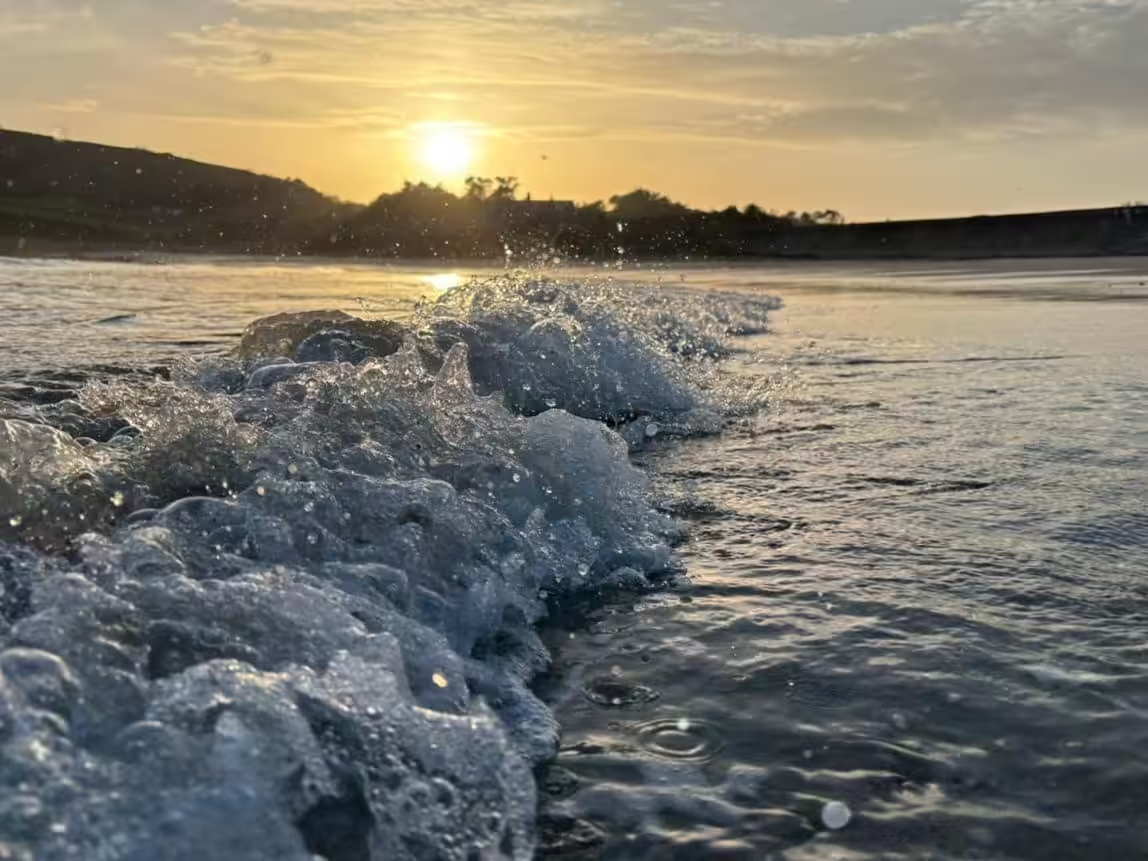
A changing energy system
Electricity systems are changing worldwide.
Alderney is part of that.
Electricity systems around the world are changing as renewable technologies become more widely available and cost-effective.
Alderney is part of that transition. Over time, we will incorporate increasing levels of renewable energy alongside existing diesel generation.
Today, the island relies primarily on burning ultra-low sulphur diesel to generate our electricity at the power station. Currently, around 4 million litres of fossil fuels are burned on the island each year to generate electricity, power vehicles and heat our homes and businesses. Alderney sits at the end of a very long and delicate supply chain; our heavy reliance on imported fuels is a risk.
Reducing that reliance is a long-term goal to increase our energy security and reduce economic leakage.
design priorities
How we approach the transition
Our approach to energy transition is guided by three priorities: maintaining a safe and reliable electricity system, improving affordability and fairness, and reducing carbon emissions. These priorities must be addressed together. Focusing on one at the expense of the others would weaken the overall system.
Reliability
Keeping the system safe and stable for all islanders, throughout the transition.
Affordability
Managing costs fairly as the energy mix changes.
Lower emissions
Reducing the island's dependence on imported diesel over time.
Future thinking
We take our island stewardship very seriously.
One of the most important questions we ask ourselves in every decision is:
"How will this affect the children in St Anne's School — today, tomorrow, and throughout their futures?"
If what we're planning does not create value for Alderney's young people, either now or in the years ahead,
then who is it really benefiting, and why are we doing it?
Our responsibility is not simply to keep the lights on today, but to leave a stronger, more resilient island for those who will call Alderney home tomorrow.
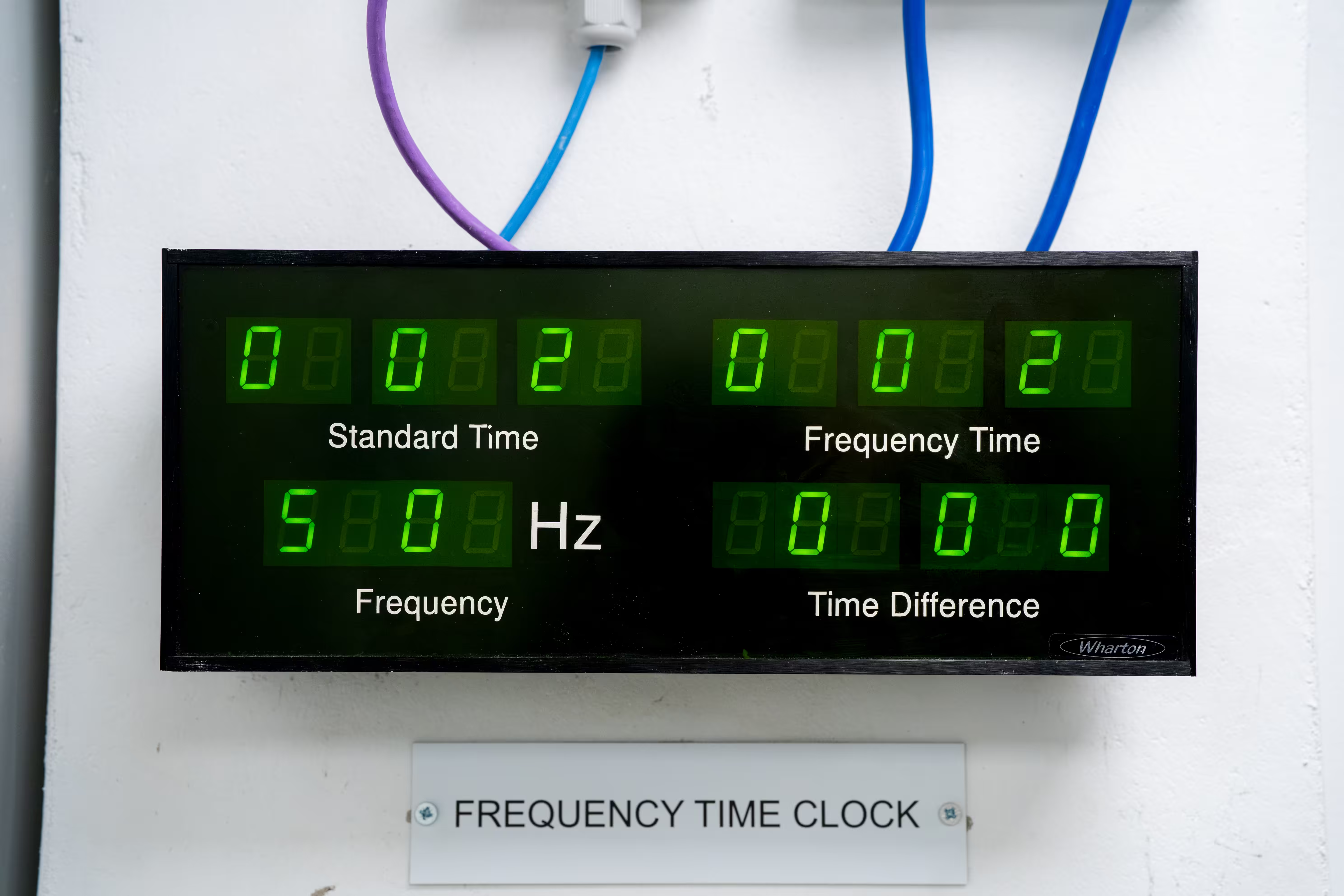
Balancing change with stability
Renewable energy must be introduced carefully
Alderney operates an isolated system. Renewable generation such as solar and wind is variable, and if introduced too quickly or without the right supporting systems, it can affect grid stability.
For that reason, our approach is to carefully enable renewable energy while protecting the integrity of the electricity system for all islanders.
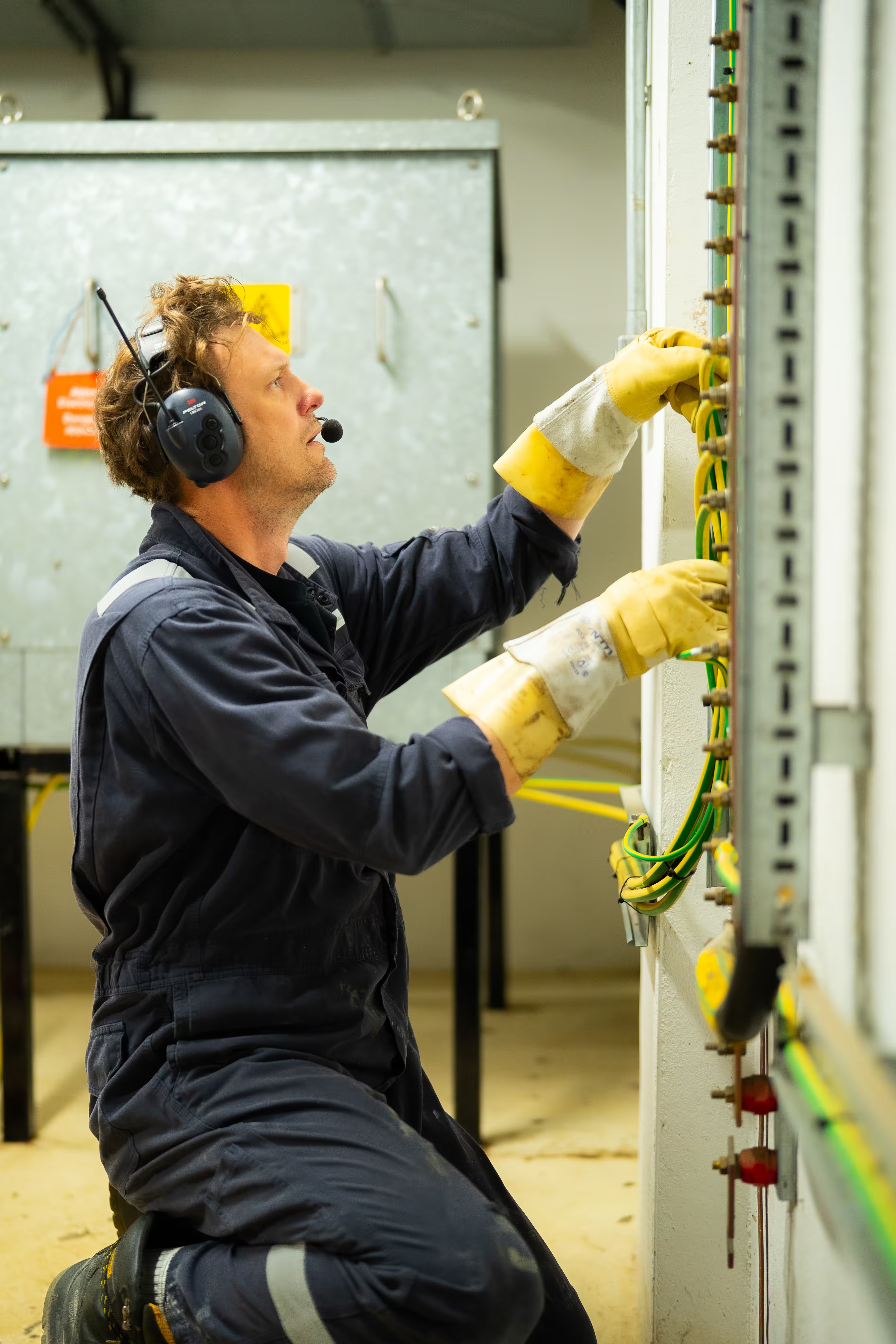
Building the foundations
The work already under way
The transition begins with strengthening the operating systems.
Our current work for 2026 includes:
Installing solar generation on suitable buildings
Introducing large-scale battery energy storage systems (BESS)
Rolling out smart metering
Upgrading network monitoring and control systems
Increasing the capability and capacity of our staff through enhanced training
These steps allow renewable energy to be introduced gradually and safely.
In 2027, we intend to:
Complete the roll-out of smart meters
Build a small ground mounted solar farm and investigate floating solar
Conduct deep research into options for wind power generation
Support the Marine Spatial Plan to enable domestic tidal power
Continue to invest in the capability and capacity of our staff
A balanced energy mix
No single technology will meet Alderney's needs
The island is not connected to a wider grid - there is no interconnector like Guernsey or Jersey have to France - so diesel generation is likely to remain part of our system for some time. The aim is to reduce reliance on it, rather than eliminate it overnight.
Solar energy will play an important role, but it cannot provide all of the island's electricity, particularly in winter. For the island to be sustainable, we are exploring a balanced mix of technologies, to include solar, wind and marine energy.
We now know the theoretical ratios to optimise this mix, and we will be working hard to achieve the best balance possible to ensure the greatest levels of reliability and affordability, alongside the nature and the environment.
A long-term transition
Our goal is to move towards a cleaner, more resilient energy system in a way that supports the island's economy, protects reliability and delivers lasting benefits for the community. A steady process that benefits the whole island.
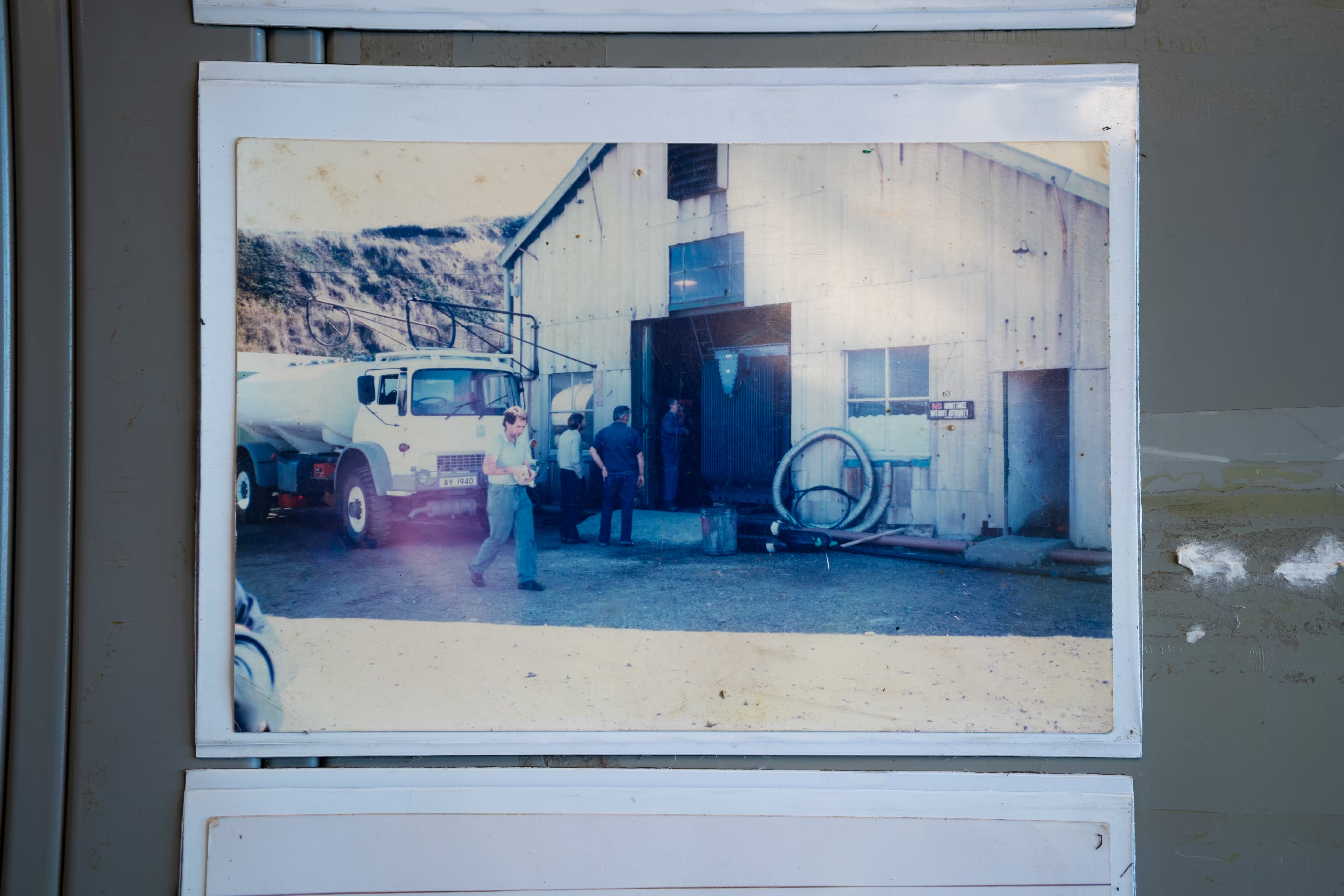
Understanding the system
Alderney's electricity system operates as a self-contained microgrid. Understanding how it works helps explain why the transition to renewables requires a careful, step-by-step approach.
Find out more
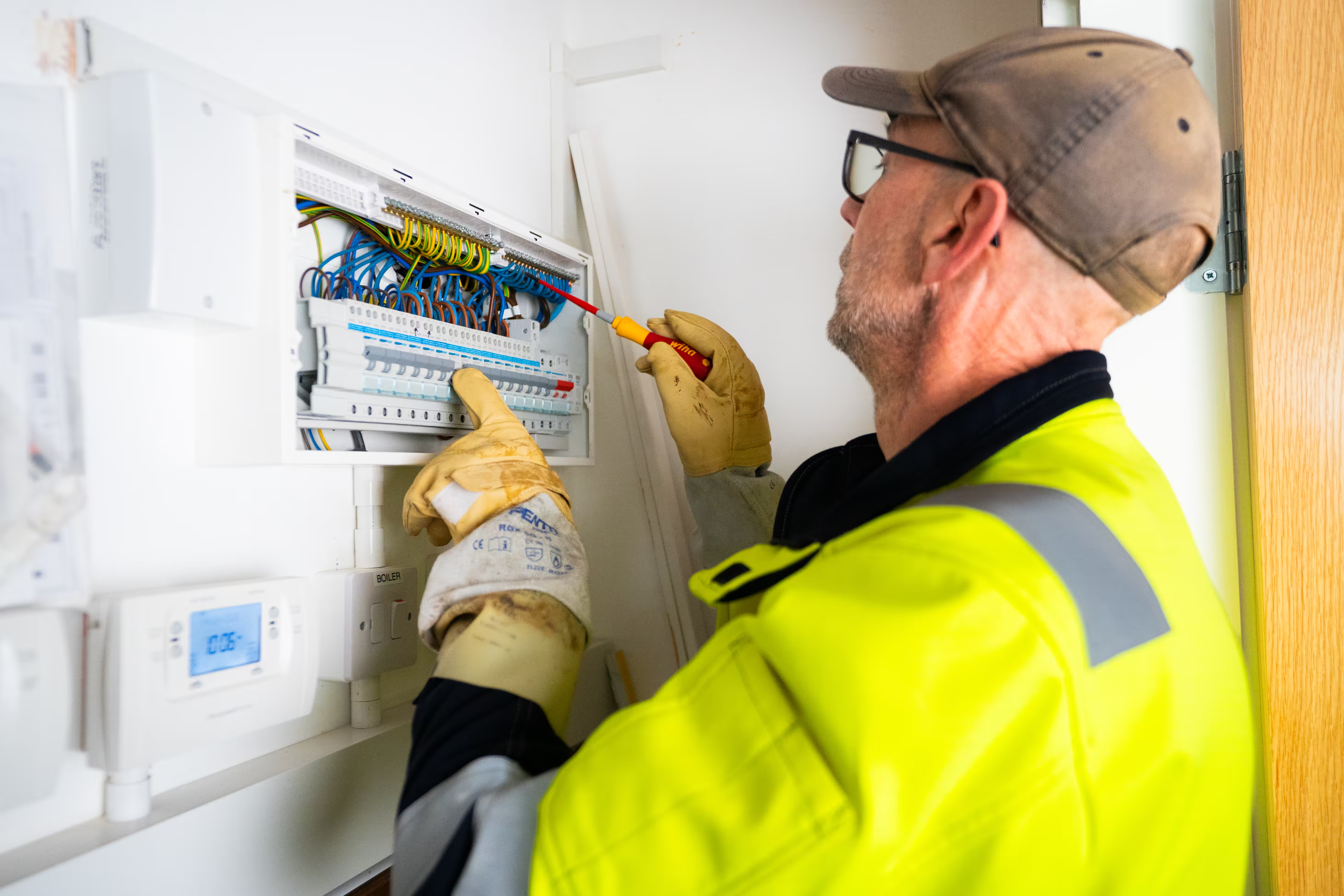
Thinking about solar?
If you're considering a solar installation, all systems require AE approval before work begins. Find out what's involved.
Renewables & solar

Get in touch
Want to know more?
If you have questions about our energy plans or renewable options for your property, get in touch. We're happy to talk through what's possible.