War in the Gulf: What It Could Mean for Energy Prices in Alderney
20 March 2026 | News
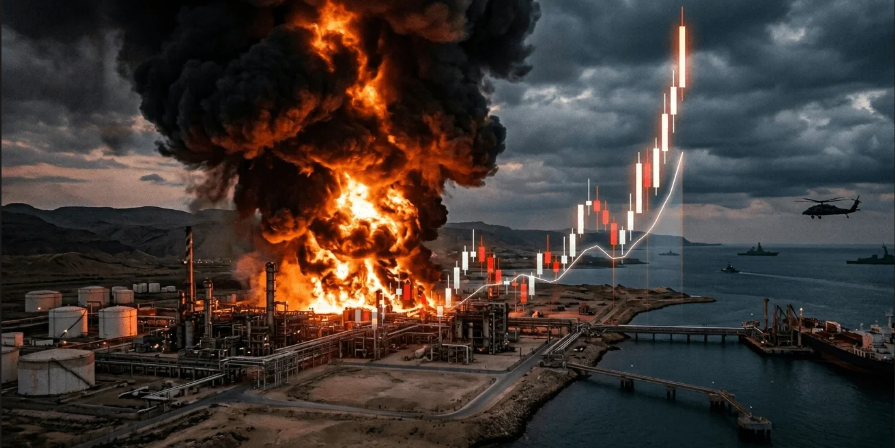
Events unfolding in the Middle East may feel distant from our small island, but history shows that conflicts in that region often have direct consequences for energy prices across the world. The current war involving the United States and Israel against Iran is already causing turbulence in global energy markets, and Alderney, like many islands that rely on imported fuel, is not immune to those effects.
At the centre of the issue lies the Strait of Hormuz, a narrow shipping channel between Iran and Oman that is one of the most important energy chokepoints on the planet. Around one fifth of the world’s traded oil passes through this strait each day, along with a large share of global liquefied natural gas exports. When tensions rise in the region, markets react quickly because any disruption to this route can restrict global supply.
Since the conflict intensified, traders and shipping companies have begun pricing in the risk of disruption to tankers moving through the Gulf. Even if oil continues to flow, the possibility of attacks, delays or higher insurance costs tends to push prices upward. The result is a familiar pattern: global oil prices rise, followed by increases in diesel, heating fuel and other refined products.
For Alderney, this matters because most of the island’s energy still depends on imported fossil fuels. Ultra-low sulphur diesel (ULSD) is used to generate electricity, while kerosene remains the principal heating fuel for many homes. Both fuels come from the same refinery streams as diesel and aviation fuel, so when global oil prices rise, the cost of these fuels tends to rise as well.
The wider energy system can also be affected. The Strait of Hormuz is an important route for liquefied natural gas shipments, particularly from Qatar to Europe and Asia. Any disruption there can increase global gas prices, which in turn affects electricity markets and inflation across a wide range of goods and services.
In the short term, the most likely impact for Alderney is higher prices rather than shortages. Fuel supplies to the UK and the Channel Islands are sourced through European refining and distribution networks rather than directly from the Gulf. However, global markets are interconnected, and when crude oil prices increase, the cost of refined fuels delivered to our region usually follows.
Events such as this underline a broader point about energy security. Islands that rely heavily on imported fuels are inevitably exposed to global events beyond their control. That is why Alderney Electricity is developing plans to increase the island’s energy resilience and self-sufficiency.
AEL is committed to investing in the infrastructure needed to support greater use of renewable energy, including solar, wind and tidal generation, battery storage and other technologies that can improve efficiencies and reduce reliance on imported diesel. Alongside this transition, AEL is examining tariff reform, with the aim of ensuring that the costs of maintaining and operating the island’s electricity network are shared more fairly and transparently across the community.
None of these changes happen overnight but by diversifying how energy is produced and paid for, Alderney will become less exposed to geopolitical shocks such as those we are currently witnessing.
For now, the island’s energy supplies remain stable. However, developments thousands of miles away are a reminder that energy security matters, and that investing in a more resilient, locally powered, self-sufficient future is both sensible and necessary for Alderney’s long-term wellbeing.
Latest information
News, updates and blog
Read the latest service notices, maintenance updates and news from across Alderney Electricity.
To provide the best experiences, we use technologies like cookies to store and/or access device information. Consenting to these technologies will allow us to process data such as browsing behaviour or unique IDs on this site. Not consenting or withdrawing consent, may adversely affect certain features and functions.
Functional
Always active
The technical storage or access is strictly necessary for the legitimate purpose of enabling the use of a specific service explicitly requested by the subscriber or user, or for the sole purpose of carrying out the transmission of a communication over an electronic communications network.
Preferences
The technical storage or access is necessary for the legitimate purpose of storing preferences that are not requested by the subscriber or user.
Statistics
The technical storage or access that is used exclusively for statistical purposes.The technical storage or access that is used exclusively for anonymous statistical purposes. Without a subpoena, voluntary compliance on the part of your Internet Service Provider, or additional records from a third party, information stored or retrieved for this purpose alone cannot usually be used to identify you.
Marketing
The technical storage or access is required to create user profiles to send advertising, or to track the user on a website or across several websites for similar marketing purposes.