
Your account
News
The importance of Monitoring and Data
8 May 2026 | News
One of the fundamental principles of good decision-making is remarkably simple: you cannot properly manage what you do not understand, and you cannot understand what you do not monitor.
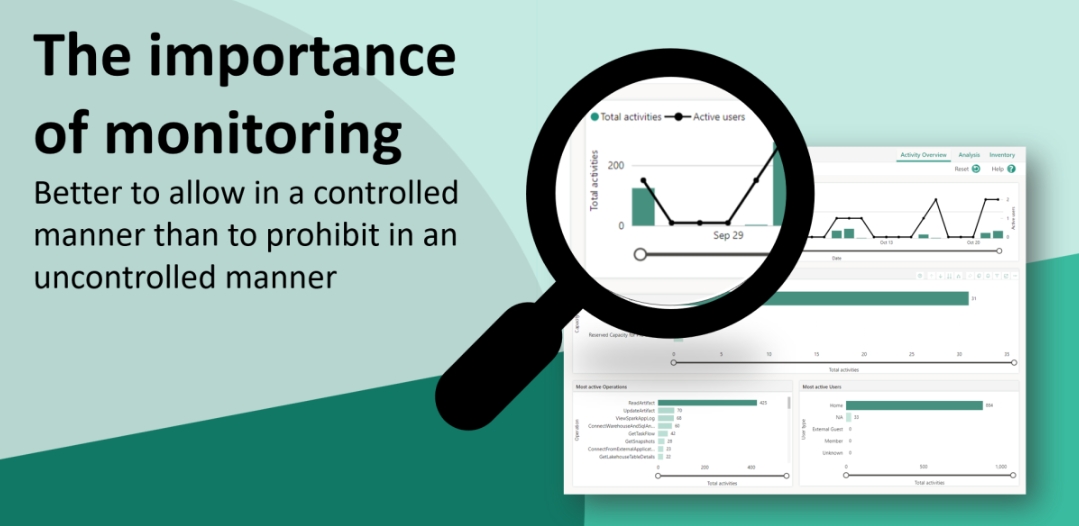
Whether in healthcare, environmental protection, aviation, housing, or energy systems, strong decisions depend upon accurate information. Without monitoring, organisations are left reacting to problems after they emerge rather than anticipating them early enough to respond effectively. For island infrastructure, this principle matters enormously.
As Alderney Electricity introduces new technologies and prepares for a more flexible and resilient energy network, understanding how the system behaves becomes increasingly important. Every adjustment in generation, distribution or customer demand creates interactions within the wider network. Without observation and evidence, decisions risk becoming assumptions.
Military doctrine often refers to ISR – layers of Intelligence, Surveillance and Reconnaissance. The idea is straightforward: leaders need to understand what is changing around them, what risks are emerging, and equally importantly, what they may not yet be seeing. If your view is constrained, you only ever see part of the picture. The same applies to public infrastructure and community services.
In AEL, monitoring plays an essential role in daily operations. Our teams continuously monitor things like: fuel availability, consumption and stocks, engine performance, and operational loading to ensure the island has secure and reliable energy networks. A consistent supply that meets demand derives from careful observation, trend analysis and early intervention long before problems become visible externally. New technology allows us to build upon that operational expertise.
Recent investment in low-voltage network analysis allows us to better understand areas of the electricity network that were previously difficult to assess. The introduction of smart meters will not only help customers better understand their own electricity use, but will also help us understand how demand changes across the island over minutes, days and seasons. Likewise, future substation monitoring will help us better understand the effects of renewable energy integration on the low-voltage network as we move towards a more modern and sustainable electricity system.
Data helps organisations understand people, behaviour and communication. November’s customer survey was designed to establish a baseline so we can monitor how community needs, perceptions, priorities and levels of trust change over time. Similarly, our new website and social media channels provide valuable feedback about our performance, the information customers are seeking, and where we can do better.
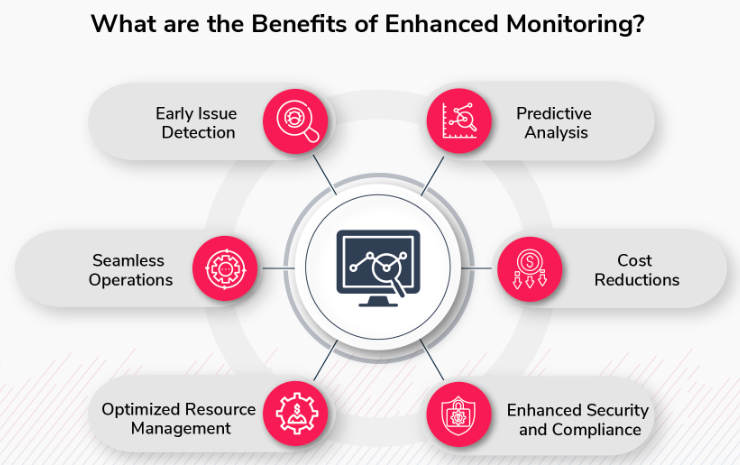
Sometimes monitoring reveals unexpected issues. A recent example came from Guernsey’s Multi Agency Support Hub (MASH), where analysis showed that only 2% of referrals were from Alderney. That immediately raised important questions about awareness and equitable accessibility which helped prompt greater on-island engagement. At an individual level, monitoring also matters for households. Keeping an eye on electricity usage, fuel levels and standing orders can help everyone manage costs and avoid difficulties before they arise.
Ultimately, monitoring is as much about anticipation as it is reaction. For a small island utility operating critical infrastructure, that understanding has real value. It helps us plan more effectively, respond more confidently and make decisions based on evidence rather than assumption. Whether monitoring an engine, a network, customer demand or community feedback, the principle is the same: the clearer the picture we have of the system around us, the better placed we are to manage it responsibly and prepare for the future.
Latest information
News, updates and blog
Read the latest service notices, maintenance updates and news from across Alderney Electricity.